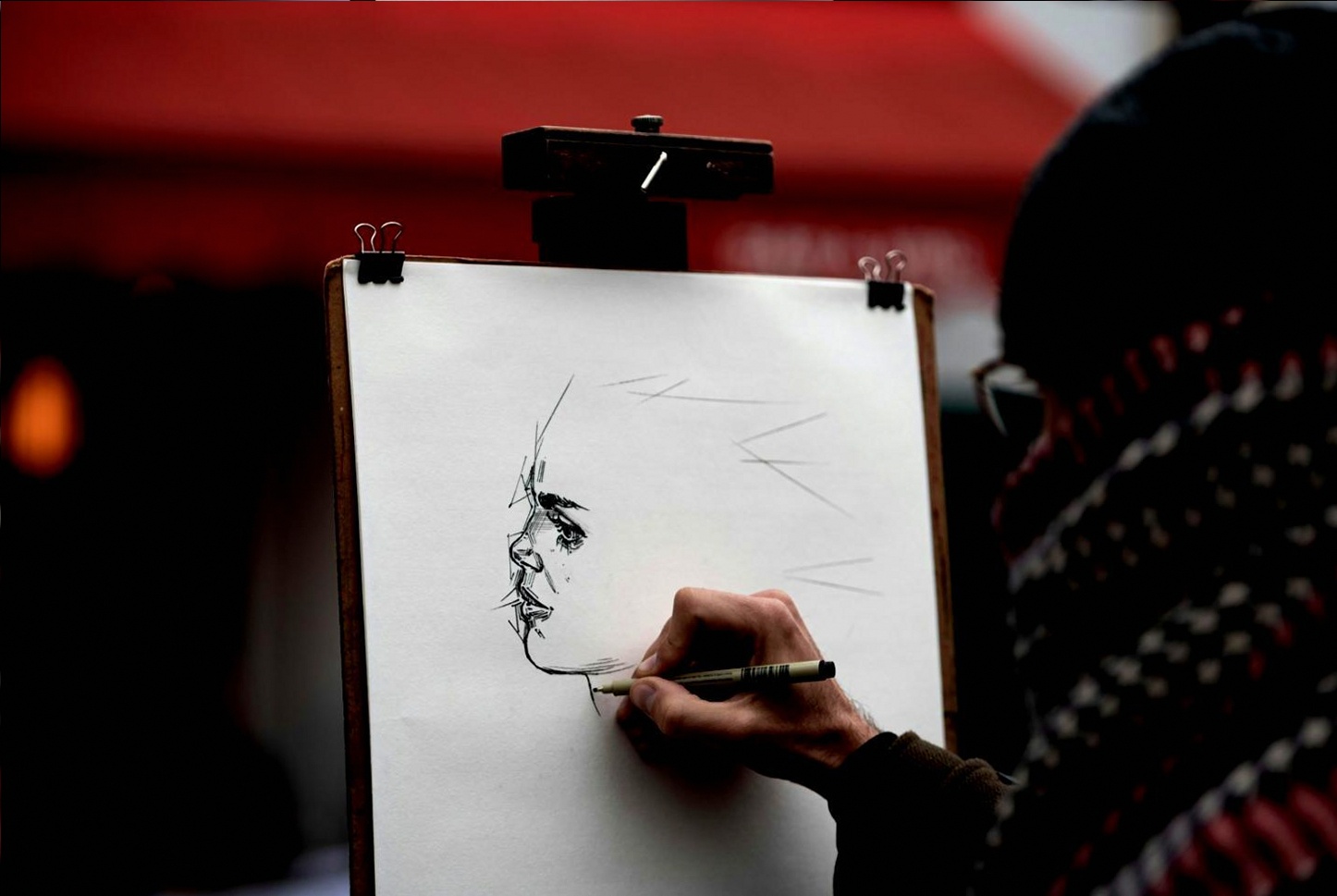
Play Bonus World started in 2019 as a place to think through animation design in writing — not tutorials, not listicles, but actual analysis of how motion decisions affect what an audience feels and understands.
The pieces here tend to focus on specific problems: why a particular easing curve feels wrong, how hold frames change the rhythm of a scene, what happens when secondary motion is overdone. Each article picks one thing and stays with it.
Good animation writing starts from watching something closely, not from repeating received wisdom about the twelve principles.
If you work in motion design, character animation, or UI animation, you will probably find something useful here — though useful is not really the goal. The goal is to write things worth reading.
Recurring themes on this blog
Animation design covers a lot of ground. These are the areas this blog returns to most often.
1
Timing and easing
The difference between a motion that reads as mechanical and one that feels considered almost always comes down to the curve. Articles here look at specific easing decisions and what they communicate.
2
Secondary motion and weight
Overlapping action and follow-through are easy to understand in theory and surprisingly hard to calibrate in practice. Several pieces here work through specific examples where the balance is off.
3
UI and interface animation
Screen-based motion has its own constraints — latency, accessibility, context-switching. Writing here treats UI animation as a distinct discipline rather than a simplified version of character work.
4
Narrative staging
Where something moves within the frame, and when, shapes what the audience pays attention to. These articles look at staging decisions in animated sequences and what they reveal about intention.
Send a note
Questions about something in an article, a topic you think deserves a closer look, or a correction — all welcome at info@playbonusworld.com or through the form below.